
Introduction
The pp foundation is becoming increasingly popular in modern construction due to its durability, moisture resistance, and long-term performance. Traditionally, foundations relied mainly on concrete, but innovative materials such as polypropylene (PP) are now being integrated to improve structural protection and efficiency.
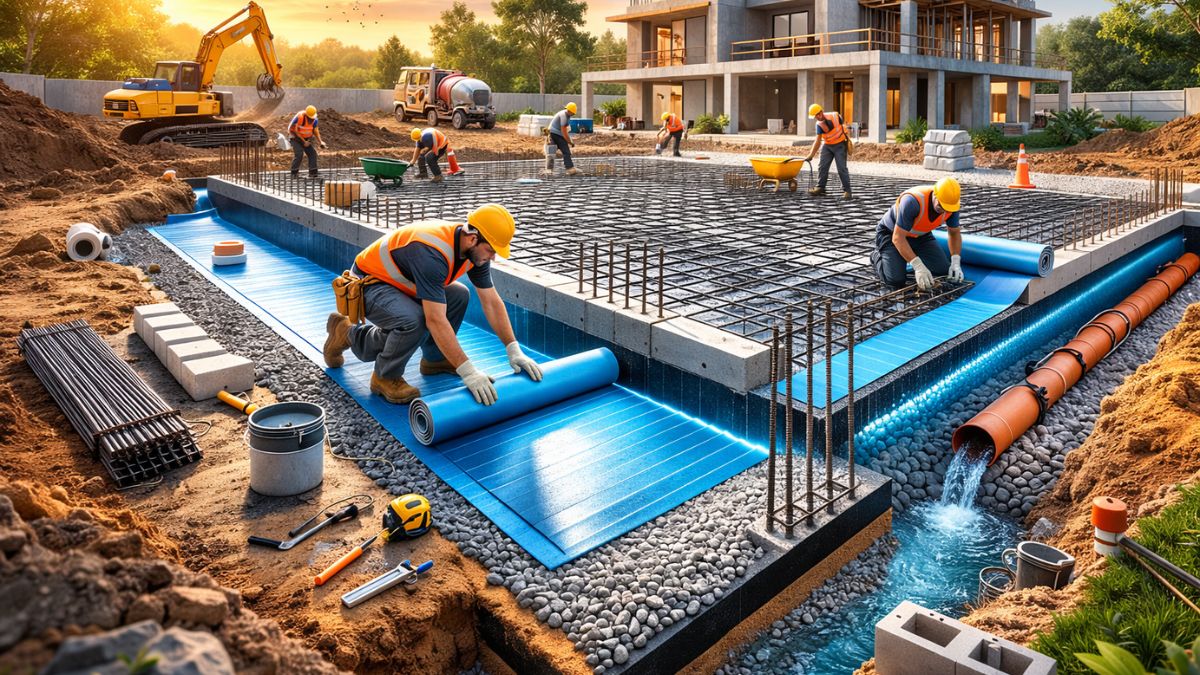
In simple terms, a pp foundation refers to a foundation system that incorporates polypropylene-based materials, typically in the form of membranes, sheets, or reinforcement components. These materials enhance waterproofing, insulation, and structural longevity.
Because construction projects demand stronger protection against moisture, soil pressure, and environmental damage, polypropylene-based solutions are now widely used in residential, commercial, and industrial developments.
In this guide, you’ll learn how pp foundations work, their benefits, installation methods, and best practices for construction projects.
What Is a PP Foundation?
A pp foundation is a building foundation system that uses polypropylene materials to improve moisture protection, structural support, and durability.
Polypropylene is a thermoplastic polymer widely used in construction due to its:
-
High chemical resistance
-
Excellent waterproof properties
-
Strong mechanical performance
-
Lightweight structure
-
Long lifespan
In foundation systems, polypropylene components are commonly used as:
-
Waterproof membranes
-
Drainage layers
-
Reinforcement fibers
-
Protective barrier sheets
These materials protect the foundation from groundwater penetration and soil moisture damage, which are common causes of structural deterioration.
Is Braves Marcell Ozuna Waiver Candidate? Contract, Performance, and Trade Possibilities
Key Components of a PP Foundation
| Component | Purpose | Material Type |
|---|---|---|
| PP Waterproof Membrane | Prevents groundwater penetration | Polypropylene sheet |
| Drainage Layer | Redirects water away from structure | PP drainage board |
| Reinforcement Fibers | Strengthens concrete mix | Polypropylene fibers |
| Protective Barrier | Shields insulation and slab | PP protection layer |
Together, these components create a strong and moisture-resistant foundation system.
Types of PP Foundation Systems
Different construction projects require different foundation solutions. A pp foundation can be applied in several ways depending on building design and soil conditions.
1. PP Membrane Foundation System
This system uses polypropylene waterproof membranes placed beneath concrete slabs or foundation walls.
Benefits include:
-
High waterproofing performance
-
Resistance to root penetration
-
Protection against soil chemicals
This system is common in basements and underground structures.
2. PP Fiber Reinforced Concrete Foundation
In this method, polypropylene fibers are added directly to the concrete mix.
These fibers help:
-
Reduce cracking
-
Improve structural integrity
-
Increase durability
This approach is frequently used in industrial floors and heavy-load foundations.
3. PP Drainage Foundation System
Polypropylene drainage boards create a protective layer between the soil and the structure.
Their main purpose is to:
-
Redirect groundwater
-
Prevent hydrostatic pressure buildup
-
Improve foundation longevity
PP Foundation vs Traditional Foundation
To better understand the value of polypropylene-based systems, it helps to compare them with traditional foundations.
| Feature | Traditional Concrete Foundation | PP Foundation System |
|---|---|---|
| Waterproofing | Requires additional layers | Built-in waterproof membranes |
| Crack Resistance | Moderate | Higher with PP fibers |
| Weight | Heavy | Lightweight components |
| Installation Speed | Slower | Faster installation |
| Moisture Protection | Limited | Excellent |
Because of these advantages, many builders now integrate polypropylene materials into foundation designs.
How a PP Foundation Is Installed
Installing a pp foundation involves several construction stages. Each step ensures the foundation performs effectively under long-term structural loads.
Step 1: Site Preparation
The construction area is cleared and leveled.
Workers prepare:
-
Excavation
-
Soil compaction
-
Gravel base installation
This step ensures proper load distribution.
Step 2: Drainage and Waterproof Layer
Polypropylene drainage boards or membranes are placed across the prepared base.
These layers:
-
Prevent moisture intrusion
-
Protect the structure from groundwater
Step 3: Reinforcement Installation
Steel reinforcement bars are installed on top of the waterproof layer.
In some projects, polypropylene fibers are added to the concrete mix.
Step 4: Concrete Pouring
Concrete is poured over the reinforcement system.
Once cured, the structure forms a strong foundation protected by PP materials.
Key Advantages of PP Foundation Systems
Modern construction increasingly uses polypropylene because of its unique performance characteristics.
Major Benefits
-
Strong waterproof protection
-
Reduced concrete cracking
-
Improved foundation lifespan
-
Lightweight and flexible materials
-
Resistance to chemicals and corrosion
These advantages make pp foundations suitable for:
-
Residential homes
-
Commercial buildings
-
Warehouses
-
Underground parking structures
Performance Benefits Overview
| Advantage | Impact on Construction |
|---|---|
| Waterproof protection | Prevents basement leaks |
| Crack reduction | Improves structural integrity |
| Lightweight materials | Easier transportation and installation |
| Chemical resistance | Ideal for harsh soil environments |
| Long lifespan | Reduces maintenance costs |
Pros and Cons of PP Foundation Systems
Like any construction technology, pp foundations have both advantages and limitations.
Pros
-
Excellent moisture protection
-
Long material lifespan
-
Improved concrete durability
-
Faster installation time
-
Lower maintenance requirements
Cons
-
Slightly higher initial material cost
-
Requires proper installation expertise
-
Not suitable for all soil conditions
Despite these limitations, the long-term performance benefits often outweigh the initial investment.
Common Mistakes When Installing PP Foundations
Even though polypropylene systems are reliable, improper installation can lead to structural problems.
Here are some common mistakes to avoid.
1. Poor Soil Preparation
If the soil base is not properly compacted, the foundation may shift or settle.
2. Incorrect Membrane Placement
Improperly installed membranes can allow water penetration.
3. Skipping Drainage Systems
Without proper drainage layers, hydrostatic pressure may build up around the foundation.
4. Using Low-Quality Materials
Cheap or substandard polypropylene materials can degrade faster.
Best Practices for Building a PP Foundation
To maximize the benefits of polypropylene foundation systems, builders should follow proven construction practices.
Recommended Guidelines
-
Conduct soil testing before construction
-
Use certified polypropylene construction materials
-
Install proper drainage systems
-
Follow structural engineering guidelines
-
Ensure professional installation
Additionally, routine inspections during construction can prevent costly repairs later.
Practical Example: Residential PP Foundation System
Consider a modern residential home built in an area with high groundwater levels.
The construction team installs:
-
Gravel drainage base
-
Polypropylene waterproof membrane
-
Reinforcement bars and PP fiber concrete
-
Reinforced concrete slab
The result is a moisture-resistant foundation that protects the home from water damage for decades.
Conclusion
The pp foundation represents a modern solution for improving foundation durability, waterproofing, and long-term structural performance. By incorporating polypropylene materials such as membranes, drainage boards, and fiber reinforcement, builders can create stronger foundations that resist moisture and environmental damage.
As construction technologies continue evolving, polypropylene-based foundation systems are likely to become even more common in both residential and commercial projects.
For builders and property owners seeking durable, low-maintenance foundations, a pp foundation is a reliable and forward-thinking option.
FAQs
What is a pp foundation used for?
A pp foundation is used to improve waterproofing, durability, and crack resistance in modern building foundations.
Is polypropylene strong enough for foundations?
Yes. Polypropylene materials are highly durable and often used in membranes and reinforcement fibers for foundation systems.
Does a pp foundation prevent water damage?
Yes. Polypropylene membranes provide strong waterproof protection against groundwater infiltration.
Are pp foundations expensive?
They may have slightly higher material costs but often reduce long-term maintenance expenses.
Can pp foundations be used in residential buildings?
Yes. They are commonly used in homes, basements, and commercial construction projects.