
Introduction
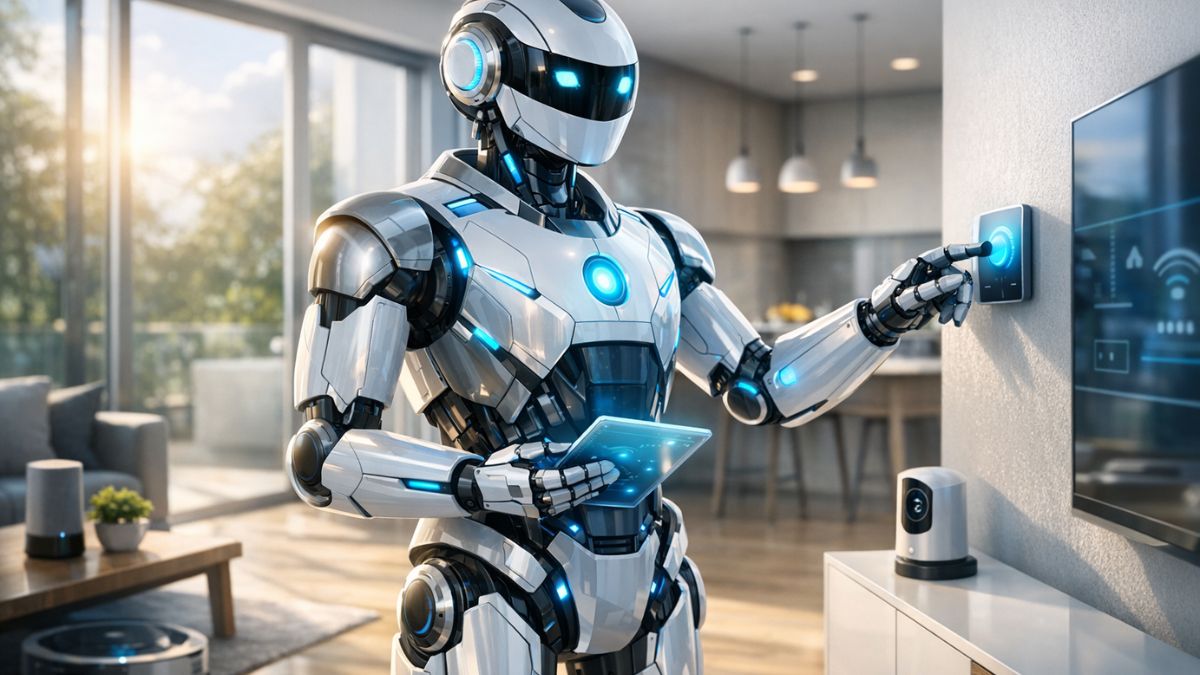
Technology continues to transform everyday life, and intelligent robots are becoming an exciting part of that transformation. One emerging concept gaining attention is the ponas robotas, a type of personal robot designed to assist humans in homes, workplaces, and even healthcare environments.
Unlike traditional machines built for specific industrial tasks, a ponas robotas focuses on human interaction and assistance. These robots can help with routine activities, automate daily processes, and create a smarter living environment.
As robotics, machine learning, and smart home technologies evolve, the idea of having a personal robotic assistant is becoming more realistic. In this guide, we’ll explore what ponas robotas means, how it works, and why it may shape the future of automation.
What Is Ponas Robotas?
The term ponas robotas generally refers to an advanced personal robot designed to assist individuals with daily tasks using intelligent systems and automation.
These robots are typically designed with:
-
Human-friendly interfaces
-
Autonomous movement capabilities
-
Smart decision-making algorithms
-
Integration with connected devices
In simple terms, a ponas robotas acts like a digital assistant in physical form.
Key Characteristics of Ponas Robotas
-
Interactive communication with humans
-
Smart task management
-
Environmental awareness using sensors
-
Connectivity with smart home systems
-
Autonomous learning capabilities
Unlike industrial robots that perform repetitive mechanical actions, a ponas robotas adapts to its environment and user behavior.
Alaskan Seiti: Meaning, Origins, Cultural Significance, and Modern Interest
The Evolution of Personal Robots
Robotics has evolved dramatically over the last few decades. What began as large industrial machines is now progressing toward intelligent personal assistants.
Major Stages in Robot Development
| Era | Robotics Focus | Key Features |
|---|---|---|
| Early Robotics | Industrial automation | Fixed machines, repetitive tasks |
| Smart Robotics | AI integration | Sensors, basic learning capabilities |
| Personal Robotics | Human assistance | Interaction, mobility, adaptability |
| Future Robotics | Autonomous intelligence | Advanced decision-making and personalization |
The concept of ponas robotas belongs to the personal robotics era, where machines are designed to work directly with humans.
Core Technologies Behind Ponas Robotas
A ponas robotas depends on multiple advanced technologies working together.
Artificial Intelligence and Learning Systems
AI allows robots to interpret commands, recognize objects, and adapt to user preferences. Over time, the robot becomes better at predicting needs and automating tasks.
Sensor Technology
Modern robots rely on sensors to understand their surroundings.
Common sensors include:
-
Vision cameras
-
Motion detectors
-
Depth sensors
-
Touch sensors
-
Environmental sensors
These tools allow the robot to navigate spaces safely and interact with objects.
Smart Connectivity
A ponas robotas typically connects to:
-
Smart lights
-
Security systems
-
Appliances
-
Voice assistants
-
IoT networks
This connectivity allows the robot to control multiple devices within a smart ecosystem.
Real-World Applications of Ponas Robotas
Personal robots are not just futuristic concepts. Many practical applications already exist.
Smart Home Assistance
One of the most popular uses is home automation support.
A ponas robotas may help with:
-
Cleaning tasks
-
Managing household devices
-
Reminding users about schedules
-
Monitoring home security
Elderly Care and Healthcare
Personal robots can provide support for elderly individuals who need assistance with daily activities.
They can:
-
Monitor health conditions
-
Provide medication reminders
-
Detect falls or emergencies
-
Offer companionship
Workplace Productivity
Robots can also support office and professional environments.
Possible workplace uses include:
-
Organizing digital schedules
-
Delivering documents
-
Managing smart office systems
-
Assisting with customer interactions
Types of Personal Robots Similar to Ponas Robotas
Different types of robots can fall into the ponas robotas category depending on their design and purpose.
| Robot Type | Primary Purpose | Example Tasks |
|---|---|---|
| Home Service Robots | Household assistance | Cleaning, organizing |
| Social Robots | Human interaction | Communication and companionship |
| Security Robots | Surveillance | Monitoring and alert systems |
| Healthcare Robots | Patient assistance | Medication reminders, monitoring |
Each type serves a specific role but shares the core goal of assisting humans.
Practical Example of a Ponas Robotas in Daily Life
Imagine waking up in a smart home where your personal robot manages several daily routines.
Your robot might:
-
Wake you up with a gentle alarm.
-
Adjust room lighting and temperature.
-
Provide a morning schedule summary.
-
Prepare coffee through a connected appliance.
-
Remind you about meetings and tasks.
Throughout the day, the robot could assist with home monitoring, device control, and personal reminders.
This scenario demonstrates how ponas robotas could simplify everyday routines.
Advantages and Limitations of Ponas Robotas
While personal robots offer many benefits, they also present certain challenges.
Pros and Cons Overview
| Advantages | Limitations |
|---|---|
| Increased convenience | High development cost |
| Improved productivity | Privacy concerns |
| Assistance for elderly users | Technical complexity |
| Smart automation integration | Dependence on technology |
Understanding these factors helps users evaluate whether personal robotics solutions are right for their needs.
Pros and Cons of Ponas Robotas
Pros
-
Automates routine tasks
-
Enhances smart home efficiency
-
Provides support for elderly individuals
-
Improves productivity and organization
-
Enables advanced home monitoring
Cons
-
High purchase cost for advanced robots
-
Requires technical maintenance
-
Potential data privacy concerns
-
Limited capabilities in early-stage models
Common Mistakes When Adopting Personal Robots
Many people expect robots to perform perfectly right away, but successful adoption requires proper setup and realistic expectations.
Mistake 1: Expecting Full Autonomy
Most personal robots still require user guidance and system integration.
Mistake 2: Ignoring Security Settings
Smart robots connected to home networks should always have proper security measures.
Mistake 3: Poor Smart Home Integration
A ponas robotas performs best when integrated with compatible devices.
Mistake 4: Underestimating Maintenance
Like any technology, robots require updates, calibration, and occasional repairs.
Best Practices for Using Ponas Robotas
To maximize the benefits of personal robotics, users should follow several best practices.
Choose Compatible Devices
Ensure your robot works with existing smart home platforms.
Regular Software Updates
Updates improve security, performance, and features.
Start with Basic Tasks
Begin with simple automation tasks before expanding capabilities.
Maintain Privacy Controls
Always configure privacy settings and data protection options.
The Future of Ponas Robotas
Personal robotics continues to evolve rapidly. Researchers and technology companies are investing heavily in robotics innovation.
Future improvements may include:
-
More natural human-robot interaction
-
Greater emotional intelligence in robots
-
Advanced autonomous navigation
-
Lower production costs making robots widely accessible
As technology advances, ponas robotas may become as common as smartphones or smart speakers.
Conclusion
The idea of a ponas robotas represents an exciting step toward a more automated and intelligent future. Personal robots have the potential to simplify everyday tasks, enhance productivity, and provide valuable assistance in homes and workplaces.
Although challenges such as cost and privacy remain, rapid advancements in robotics and smart technologies are bringing us closer to a world where personal robotic assistants are part of everyday life.
For individuals interested in automation and smart living, understanding the potential of ponas robotas is an important step toward embracing the next generation of technology.
FAQs
What does ponas robotas mean?
Ponas robotas generally refers to a personal robot designed to assist humans with everyday tasks using intelligent technology and automation.
Are personal robots already available?
Yes. Several home service robots and social robots are available today, although fully advanced personal assistants are still evolving.
How does a ponas robotas work?
It combines artificial intelligence, sensors, connectivity, and automation systems to interact with users and perform tasks.
Can personal robots replace human workers?
Personal robots are designed to assist humans rather than replace them. They mainly handle repetitive or supportive tasks.
Are personal robots safe to use?
When properly configured with security measures and regular updates, personal robots are generally safe for home and workplace use.