
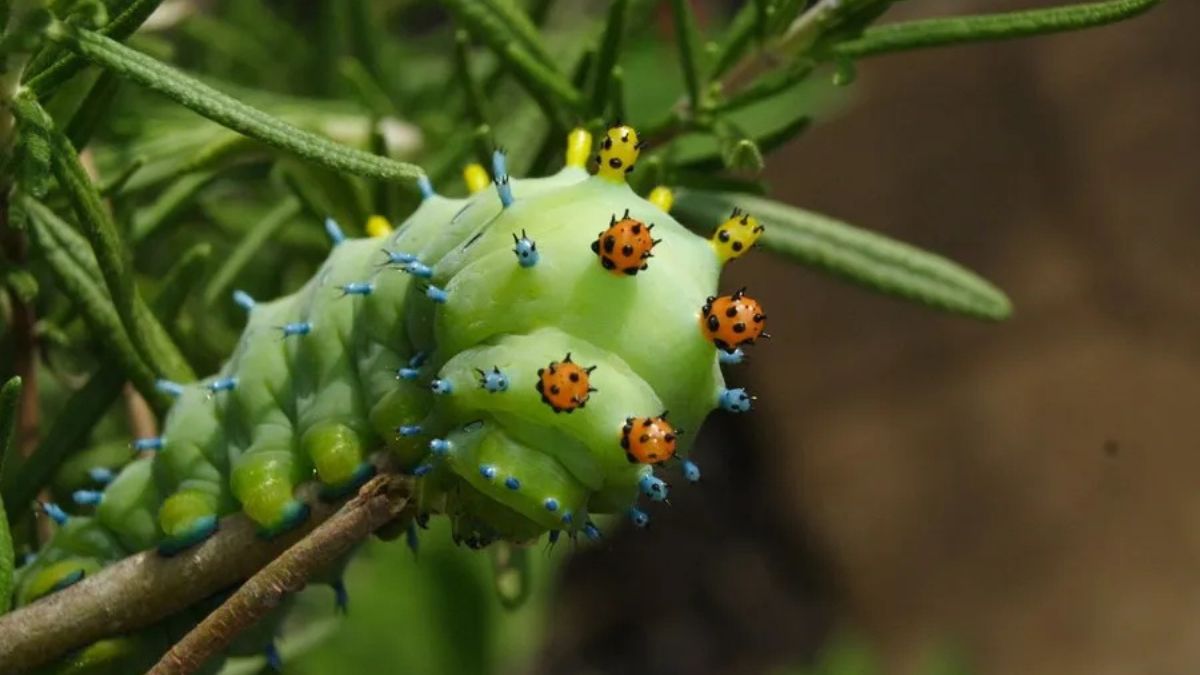
Introduction to the Munchkin Caterpillar
Welcome to the whimsical world of garden heroes! Among the many fascinating creatures that call our gardens home, the munchkin caterpillar stands out as an extraordinary ally. With its vibrant colors and charming demeanor, this little critter not only adds a splash of life to your green space but also plays a crucial role in maintaining ecological balance.
Gardeners who understand the role of the munchkin caterpillar often discover that their gardens become healthier and more vibrant over time. Curious about why these pint-sized wonders should have a special place in your heart—and your garden? Let’s explore the delightful benefits they bring and how you can create an inviting haven for these tiny marvels. Get ready to embrace nature’s superheroes!
The Benefits of Having Munchkin Caterpillar in Your Garden
Having munchkin caterpillars in your garden can significantly enhance its health and vitality. These vibrant little creatures are nature’s very own pest controllers. As they munch on pesky aphids and other unwanted insects, they help maintain a balanced ecosystem.
Besides their pest control abilities, munchkin caterpillars contribute to pollination as they transition into butterflies. This process aids the growth of flowering plants, leading to more blooming beauty in your garden.
Read More: How DigitalConnectMag.com is Shaping Conversations Around Technology Today
Their presence also attracts birds and beneficial insects that further promote a thriving environment. With this natural form of biodiversity, you’ll notice healthier plants overall.
Additionally, watching these caterpillars transform into butterflies is an enchanting experience for gardeners and children alike. Their life cycle adds a touch of wonder to any outdoor space while providing educational opportunities about nature’s processes.
Key Ecological Benefits of the Munchkin Caterpillar
| Benefit | How It Helps Your Garden | Long-Term Impact |
|---|---|---|
| Natural Pest Control | Feeds on harmful insects like aphids | Reduces need for chemical pesticides |
| Pollinator Support | Transforms into butterflies that pollinate plants | Encourages flower growth and crop yield |
| Biodiversity Boost | Attracts birds and beneficial insects | Creates a balanced garden ecosystem |
| Educational Value | Shows full insect life cycle | Great learning opportunity for kids |
How to Attract Munchkin Caterpillar to Your Garden
To lure the munchkin caterpillar to your garden, start by planting their favorite host plants. Milkweed is a top choice, as it provides essential nutrients for these charming creatures.
Consider adding native flowers like asters and goldenrods too. These blooms not only attract munchkin caterpillars but also draw in other beneficial pollinators.
Create a sheltered environment with plenty of foliage. This gives them safe spots to hide from predators while they munch on delicious leaves.
Water sources are important as well. A shallow dish filled with pebbles and water can keep them hydrated without drowning risks.
Avoid using pesticides or harsh chemicals in your garden. A chemical-free space ensures that these little heroes thrive naturally alongside your plants.
Plants That Help Attract Munchkin Caterpillars
| Plant Type | Why It Works | Additional Garden Benefits |
|---|---|---|
| Milkweed | Primary host plant for many caterpillars | Supports butterfly populations |
| Asters | Provides nectar and shelter | Attracts bees and pollinators |
| Goldenrod | Rich nectar source | Supports fall pollinators |
| Native Wildflowers | Natural habitat mimic | Encourages biodiversity |
Tips for Caring for Munchkin Caterpillar
Caring for munchkin caterpillars requires a gentle touch and keen observation. Start by providing a safe habitat. Choose a container with proper ventilation to keep them comfortable.
Feeding is essential. Munchkin caterpillars thrive on specific plants, primarily milkweed and dandelions. Ensure their diet is fresh; wilted leaves won’t cut it.
Maintain humidity levels in their environment. A slight misting can help replicate natural conditions, but avoid over-saturation, as that could be harmful.
Keep an eye on temperature too. Ideally, they should bask in warmth but never exceed 80°F (27°C). Too much heat can stress them out.
Free of pesticides or chemicals is crucial. These little creatures are sensitive to toxins, so creating an organic space will benefit their growth and development immensely.
Quick Care Guide for Munchkin Caterpillars
| Care Factor | Ideal Condition | Why It Matters |
|---|---|---|
| Temperature | 70–80°F (21–27°C) | Prevents stress and supports growth |
| Diet | Fresh milkweed, dandelions | Provides essential nutrients |
| Humidity | Light misting | Mimics natural environment |
| Shelter | Ventilated containers or leafy plants | Protects from predators |
Common Misconceptions About Munchkin Caterpillar
Many people believe that munchkin caterpillars are pests. This isn’t the case. They play a crucial role in maintaining garden ecosystems.
Another misconception is that they only feed on specific plants. In reality, munchkin caterpillars enjoy a variety of foliage. Their diverse diet allows them to thrive in different environments.
Some think these little creatures can harm their gardens significantly. However, munchkin caterpillars primarily consume leaves without causing major damage and actually contribute to plant health by supporting pollination as butterflies.
There’s also an idea that they are hard to attract or keep alive. With the right conditions, these resilient organisms can flourish easily with minimal effort from gardeners.
Many underestimate their beauty and importance within nature’s cycle. These colorful insects aren’t just cute; they symbolize the rich biodiversity essential for thriving gardens and healthy ecosystems.
Other Ways to Support and Protect Munchkin Caterpillar
Creating a welcoming environment for munchkin caterpillars goes beyond just planting their favorite foods. Consider minimizing pesticide use in your garden. Chemicals can harm not only pests but also these beneficial creatures.
Encouraging biodiversity is another excellent strategy. Plant a variety of native flowers and shrubs that attract other pollinators too, enriching the ecosystem overall.
Read More: Eagles Rookie Trade Attempt: How Philadelphia’s Bold Move Could Shape Their Playoff Run
You might also want to build small habitats such as brush piles or rock gardens. These provide shelter from predators and harsh weather conditions.
Educating fellow gardeners about the importance of munchkin caterpillars can amplify your efforts. Share your knowledge through community workshops or social media platforms.
Participating in local conservation initiatives helps protect their natural habitats while raising awareness on environmental issues affecting them and similar species.
Conclusion: Embracing the Mighty Munchkins in Your Garden
The munchkin caterpillar is more than just a charming visitor to your garden; it plays a vital role in maintaining the balance of your local ecosystem. By welcoming these little heroes into your green space, you invite beneficial interactions that promote plant health and biodiversity.
Creating an environment where munchkin caterpillars can thrive is rewarding for both the garden and gardener alike. With their presence, you might notice fewer pests as they help manage pest populations naturally. Plus, watching them transform adds an element of wonder to gardening from egg to butterfly.
Remember, attracting these delightful creatures starts with planting host plants they adore. Providing shelter and reducing chemical use will make your garden a safe haven for munchkins.
As misconceptions about their nature fade away, appreciation for these caterpillars grows stronger. Supportive practices not only protect munchkins but also enrich our gardens overall.
Embracing the mighty munchkins means embracing a healthier garden filled with life and transformation! So go ahead—create that perfect space for them today.
Frequently Asked Questions (FAQs)
What is a munchkin caterpillar?
A munchkin caterpillar refers to a small, beneficial caterpillar species commonly found in gardens that later transforms into a butterfly and contributes to pollination and biodiversity.
Are munchkin caterpillars harmful to plants?
No. While munchkin caterpillars may eat small amounts of foliage, they rarely cause serious plant damage and actually support a healthier ecosystem.
How do I attract munchkin caterpillars naturally?
Plant host plants like milkweed, asters, and native wildflowers. Avoid pesticides and create sheltered spaces to make your garden welcoming.
How long does a munchkin caterpillar stay in the caterpillar stage?
Most caterpillars remain in the larval stage for 2–4 weeks before forming a chrysalis and transforming into butterflies.
Can children safely observe munchkin caterpillars?
Yes. Observing a munchkin caterpillar’s life cycle is a safe and educational experience that teaches children about nature and ecosystems.