
Introduction
If you’ve recently come across the term gessolini, you’re probably wondering what it means and how it’s used. Whether you’re a homeowner, contractor, or DIY enthusiast, understanding gessolini can open up new possibilities in construction, finishing, and design.
In simple terms, gessolini refers to a specialized type of fine finishing material often used in wall preparation and surface smoothing. It plays a key role in achieving that flawless, polished look in interiors. In this guide, we’ll break down everything you need to know—from its uses and benefits to practical tips and common mistakes.
What Is Gessolini?
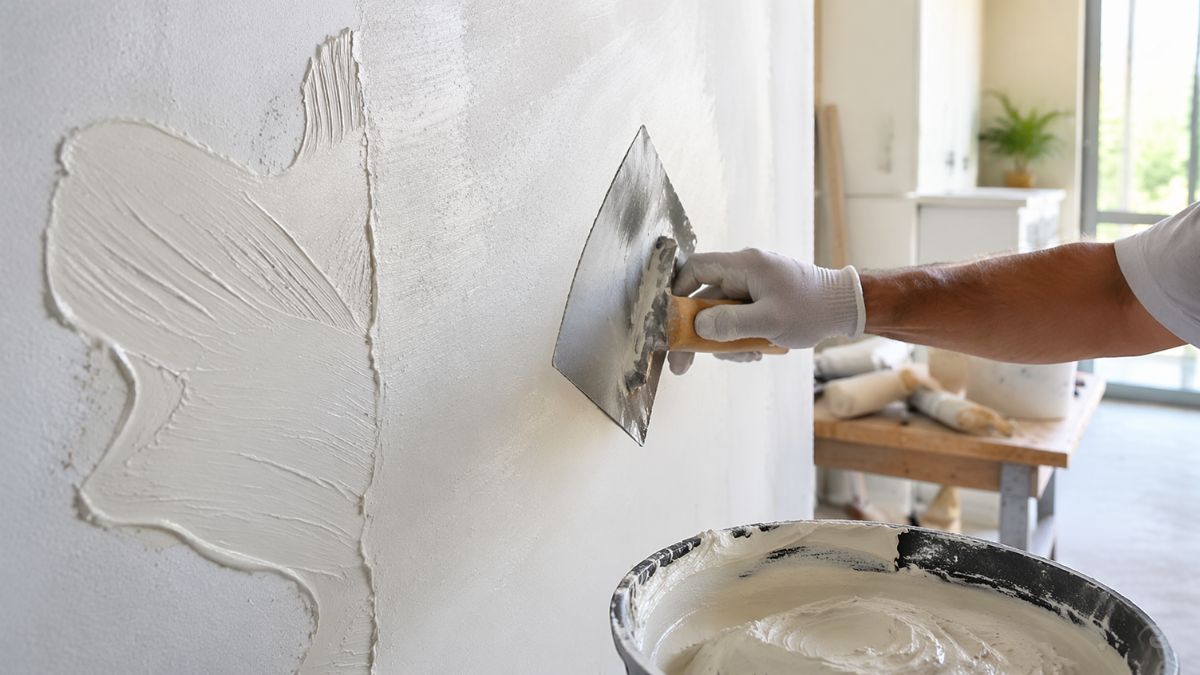
Gessolini is a refined plaster-based material typically used for surface finishing and smoothing walls or ceilings. It is known for its fine texture and ability to create a clean, even surface before painting or decorating.
Key Characteristics of Gessolini
- Ultra-smooth finish
- Easy to apply and sand
- Quick drying time
- Suitable for interior surfaces
- Enhances paint adhesion
Because of these properties, it is often preferred for high-quality finishing work where appearance matters.
Common Uses of Gessolini in Construction
Gessolini is widely used in both residential and commercial settings. Its versatility makes it a go-to material for professionals.
Wall Surface Preparation
Before painting, walls must be smooth and free of imperfections. Gessolini helps fill cracks, dents, and uneven areas.
Ceiling Finishing
It creates a uniform surface on ceilings, especially in modern interiors where clean lines are essential.
Decorative Finishes
In some cases, gessolini is also used as a base for decorative textures or artistic finishes.
KoalasPlayground: The Ultimate Guide to Understanding Its Popularity and Impact
Gessolini vs Other Finishing Materials
Choosing the right finishing material can make a big difference in the final outcome. Here’s how gessolini compares with other common options:
| Feature | Gessolini | Traditional Plaster | Putty |
|---|---|---|---|
| Texture | Very fine | Medium | Fine |
| Drying Time | Fast | Slow | Moderate |
| Ease of Application | Easy | Requires skill | Easy |
| Surface Smoothness | Excellent | Good | Very good |
| Best Use Case | Final finishing | Base layer | Minor repairs |
This comparison shows why gessolini is often chosen for final finishing stages.
Benefits of Using Gessolini
Using gessolini offers several advantages that improve both the process and the final result.
1. Superior Finish Quality
It creates a perfectly smooth surface, ideal for high-end interiors.
2. Time Efficiency
Since it dries quickly, projects can move forward without delays.
3. Easy Application
Even beginners can achieve good results with proper guidance.
4. Cost-Effective in the Long Run
Although slightly premium, it reduces the need for rework.
Step-by-Step Guide to Applying Gessolini
If you’re planning to use gessolini yourself, following the right steps is essential.
Preparation
- Clean the surface thoroughly
- Remove dust and grease
- Repair major cracks beforehand
Application Process
- Mix the material according to instructions
- Apply a thin, even layer using a trowel
- Allow it to dry completely
- Sand lightly for a smooth finish
Finishing Touch
After sanding, the surface is ready for painting or further decoration.
Best Practices for Working with Gessolini
To get the best results, it’s important to follow proven techniques.
Application Tips
- Always apply thin layers
- Work in sections for consistency
- Use high-quality tools
Environmental Considerations
- Avoid applying in high humidity
- Ensure proper ventilation
- Maintain moderate temperature
Common Mistakes to Avoid
Even a great material like gessolini can give poor results if used incorrectly.
Over-Application
Applying thick layers can lead to cracks and uneven drying.
Poor Surface Preparation
Skipping cleaning or repairs will affect adhesion.
Rushing the Process
Not allowing enough drying time can ruin the finish.
Using Low-Quality Tools
This can result in uneven application and visible marks.
Pros and Cons of Gessolini
Understanding both sides helps you make an informed decision.
Pros
- Smooth and professional finish
- Easy to work with
- Fast drying
- Versatile applications
Cons
- Slightly higher cost than basic materials
- Requires proper technique for best results
- Not ideal for exterior use
When Should You Use Gessolini?
Gessolini is ideal in situations where a flawless surface is required.
Best Use Cases
- Interior wall finishing
- High-end residential projects
- Office and commercial interiors
- Pre-paint surface preparation
Practical Example: Using Gessolini in a Home Renovation
Imagine you’re renovating a living room. The walls have minor cracks and uneven textures. Instead of using basic putty, applying gessolini:
- Creates a premium finish
- Enhances paint appearance
- Reduces visible imperfections
As a result, the final look becomes more refined and modern.
Gessolini Application Workflow Breakdown
| Step | Action | Purpose |
|---|---|---|
| Surface Cleaning | Remove dust and debris | Ensure proper adhesion |
| Base Repair | Fix cracks and holes | Create a stable base |
| First Layer | Apply thin coat | Smooth initial surface |
| Drying | Allow full drying | Prevent cracks |
| Sanding | Light smoothing | Achieve flawless finish |
| Final Touch | Prepare for paint | Ready for decoration |
Gessolini vs DIY Alternatives
Some people consider DIY alternatives, but how do they compare?
| Criteria | Gessolini | DIY Mixes (Cement + Putty) |
|---|---|---|
| Consistency | Reliable | Variable |
| Finish Quality | High | Moderate |
| Ease of Use | Simple | Requires experience |
| Durability | Strong | Depends on mix |
Clearly, gessolini offers more predictable and professional results.
Conclusion
Gessolini is more than just a finishing material—it’s a solution for achieving smooth, polished, and professional-looking surfaces. Whether you’re working on a small home project or a large commercial space, its benefits make it a valuable addition to your toolkit.
By understanding how to use it properly, avoiding common mistakes, and following best practices, you can transform ordinary surfaces into visually stunning finishes. If quality matters to you, gessolini is definitely worth considering.
FAQs
1. What is gessolini used for?
Gessolini is mainly used for smoothing walls and ceilings before painting or decorating.
2. Is gessolini better than wall putty?
Yes, it generally provides a finer and smoother finish compared to standard wall putty.
3. Can beginners use gessolini?
Yes, with basic tools and proper guidance, beginners can apply it successfully.
4. How long does gessolini take to dry?
It typically dries faster than traditional plaster, often within a few hours depending on conditions.
5. Is gessolini suitable for exterior walls?
No, it is mainly designed for interior applications.