
Introduction
Foenegriek, also known as fenugreek, is a powerful herb that has been used for centuries in cooking, medicine, and wellness practices. From enhancing flavor in dishes to supporting overall health, this versatile ingredient continues to gain popularity worldwide. Whether you’re exploring natural remedies or simply looking to upgrade your meals, foenegriek offers a wide range of benefits worth discovering.
In this guide, you’ll learn everything about foenegriek—its uses, benefits, and how to incorporate it into your daily routine effectively.
What Is Foenegriek?
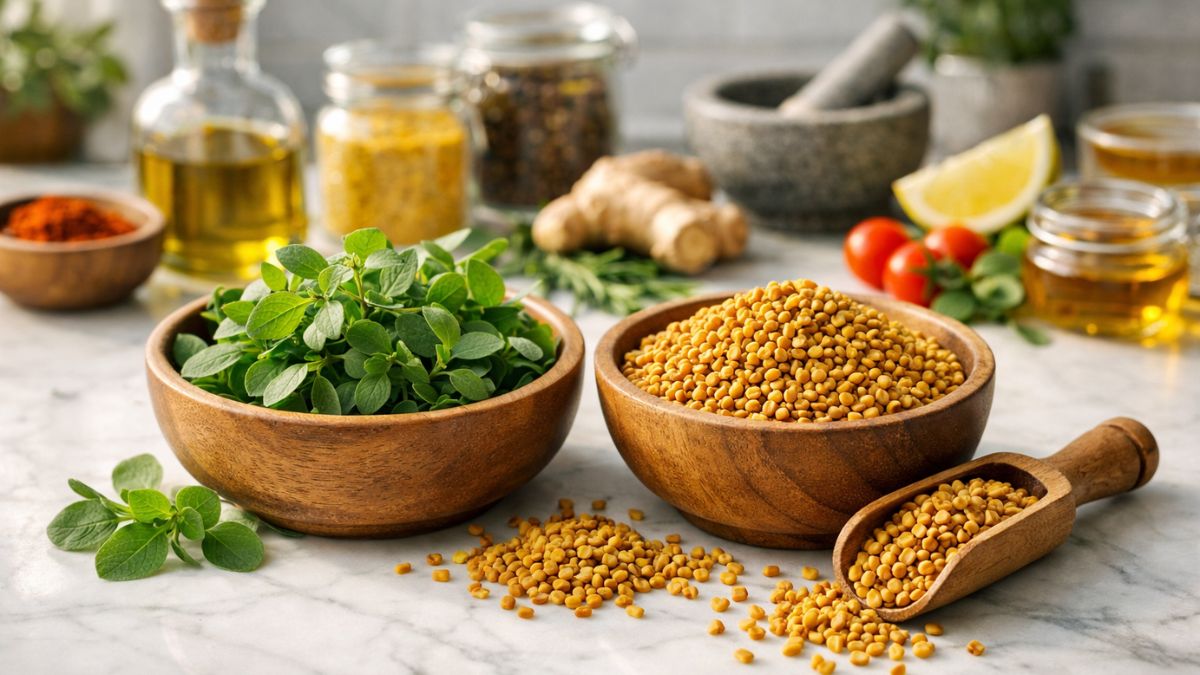
Foenegriek is a plant whose seeds and leaves are widely used in culinary and medicinal applications. It has a slightly bitter, nutty flavor and is commonly found in South Asian, Middle Eastern, and Mediterranean cuisines.
Key Characteristics of Foenegriek
- Seeds are small, golden-brown, and aromatic
- Leaves are green and often used fresh or dried
- Known for both culinary and therapeutic uses
Nutritional Overview
| Nutrient Component | Benefit |
|---|---|
| Fiber | Supports digestion |
| Protein | Helps muscle repair |
| Iron | Boosts energy levels |
| Magnesium | Supports heart health |
| Antioxidants | Reduces inflammation |
Foenegriek is especially valued for its high fiber content and plant-based compounds that promote wellness.
You May Also Read: Google Ads for Doctors SEO Outline: Complete Strategy to Attract More Patients
Health Benefits of Foenegriek
Foenegriek is not just a spice—it’s a natural health booster. Many people use it as part of their daily wellness routine.
1. Supports Digestion
Foenegriek contains soluble fiber, which helps regulate digestion and prevent constipation. It also soothes stomach discomfort.
2. Helps Manage Blood Sugar
Studies suggest that foenegriek may help improve insulin sensitivity, making it beneficial for people managing blood sugar levels.
3. Promotes Heart Health
Its antioxidant properties may help reduce cholesterol levels, contributing to better cardiovascular health.
4. Enhances Skin and Hair
Foenegriek is often used in natural beauty remedies due to its ability to nourish skin and strengthen hair.
5. Supports Lactation
Traditionally, it has been used to support milk production in breastfeeding women.
How to Use Foenegriek in Daily Life
Cooking with Foenegriek
You can easily add foenegriek to your meals:
- Use seeds in curries and spice blends
- Add dried leaves to soups and stews
- Sprinkle powder into sauces
Drinking Foenegriek Tea
Soak seeds overnight and boil them to make a herbal tea. This is a simple way to enjoy its health benefits.
Topical Use
Foenegriek paste can be applied to skin or hair for natural nourishment.
Different Forms of Foenegriek
| Form | Best Use Case | Ease of Use |
|---|---|---|
| Whole seeds | Cooking and tea | Moderate |
| Powder | Quick seasoning | Easy |
| Capsules | Supplementation | Very Easy |
| Fresh leaves | Cooking (fresh dishes) | Moderate |
| Dried leaves | Flavoring dishes | Easy |
Each form has its own advantages, depending on your lifestyle and needs.
Pros and Cons of Foenegriek
Pros
- Natural and plant-based
- Rich in nutrients
- Versatile in cooking
- Supports multiple health areas
- Easy to incorporate
Cons
- Slightly bitter taste
- May cause digestive discomfort if overused
- Not suitable for everyone (consult a doctor if needed)
Common Mistakes When Using Foenegriek
Many beginners make simple errors that reduce its effectiveness.
Overusing It
Too much foenegriek can lead to digestive issues. Moderation is key.
Not Soaking the Seeds
Soaking improves digestibility and enhances nutrient absorption.
Ignoring Flavor Balance
Its strong taste can overpower dishes if not used carefully.
Using Low-Quality Products
Always choose fresh, high-quality foenegriek for best results.
Best Practices for Maximum Benefits
To get the most out of foenegriek, follow these proven strategies:
Smart Usage Tips
- Start with small quantities
- Combine with other herbs for balanced flavor
- Use soaked seeds for better digestion
- Store in an airtight container
Daily Routine Integration
| Time of Day | How to Use Foenegriek | Purpose |
|---|---|---|
| Morning | Foenegriek water or tea | Boost metabolism |
| Afternoon | Add to meals | Nutritional support |
| Evening | Herbal tea | Relaxation & digestion |
Consistency plays a major role in experiencing its benefits.
Practical Examples
Example 1: Morning Detox Drink
Soak one teaspoon of foenegriek seeds overnight. Drink the water in the morning on an empty stomach.
Example 2: Flavorful Curry
Add a pinch of foenegriek powder to your curry for a rich, aromatic taste.
Example 3: Hair Mask
Mix foenegriek paste with yogurt and apply to hair for nourishment.
Conclusion
Foenegriek is a simple yet powerful ingredient that offers a wide range of health and culinary benefits. From improving digestion to enhancing your meals, it’s an easy addition to any lifestyle. By using it correctly and consistently, you can unlock its full potential.
Whether you’re new to foenegriek or looking to deepen your knowledge, now is the perfect time to start incorporating it into your routine.
FAQs
1. What is foenegriek used for?
Foenegriek is used for cooking, digestion support, blood sugar management, and natural remedies.
2. Can I consume foenegriek daily?
Yes, but in moderate amounts. Daily use can provide consistent health benefits.
3. How does foenegriek taste?
It has a slightly bitter, nutty flavor that enhances many dishes.
4. Is foenegriek good for weight loss?
It may support weight management by improving metabolism and reducing appetite.
5. Are there side effects of foenegriek?
Excessive use may cause digestive discomfort. Always use it in moderation.