
Introduction
If you’ve ever worked on your car, electronics, or outdoor wiring, you’ve probably heard of dielectric grease. But what exactly is it, and why is it so widely recommended?
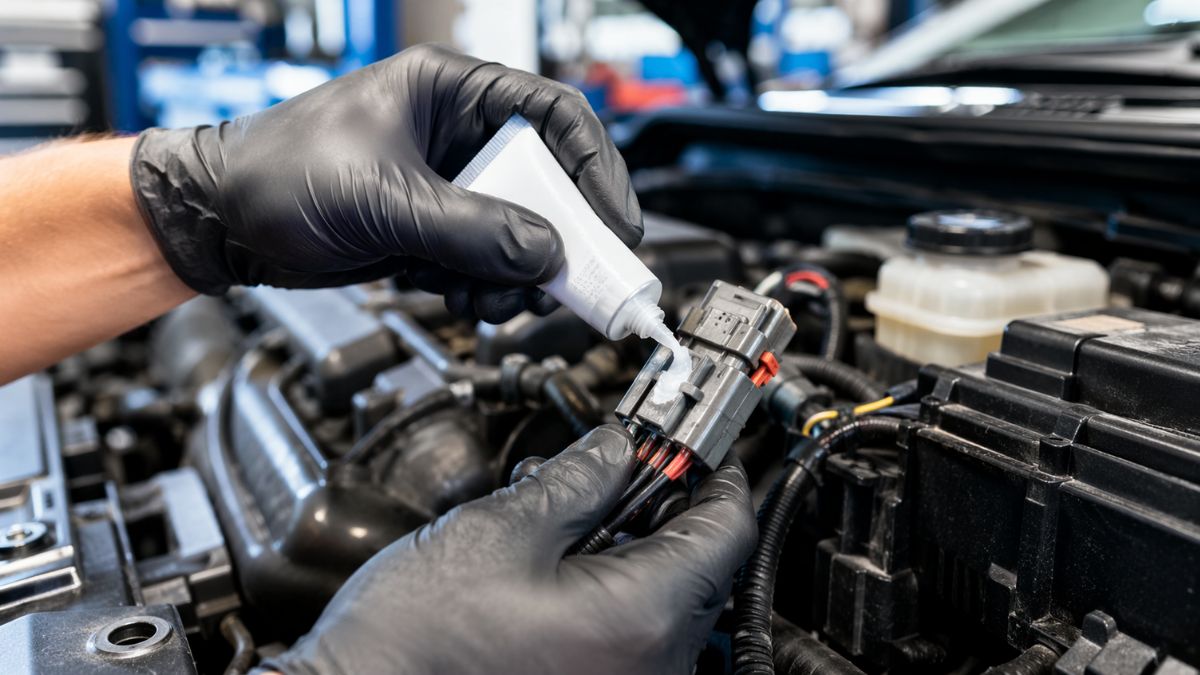
In simple terms, dielectric grease is a silicone-based lubricant designed to protect electrical connections from moisture, corrosion, and dirt. While it doesn’t conduct electricity, it plays a crucial role in maintaining reliable electrical performance.
Whether you’re a DIY enthusiast or just trying to prevent costly repairs, understanding how and when to use dielectric grease can save time, money, and frustration. Let’s break it all down in a practical, easy-to-follow way.
What Is Dielectric Grease?
Dielectric grease is a non-conductive, waterproof compound made primarily from silicone oil and thickening agents. Its main job is to seal and protect electrical connections rather than carry current.
Key Characteristics
- Non-conductive (insulates electricity)
- Water-resistant and weatherproof
- High-temperature tolerance
- Prevents oxidation and corrosion
- Long-lasting and stable
Even though it doesn’t conduct electricity, it works by sealing connections and allowing metal contacts to still touch and pass current effectively.
Common Uses of Dielectric Grease
Dielectric grease is incredibly versatile. You’ll find it used across automotive, marine, and household applications.
Automotive Applications
- Spark plug boots
- Battery terminals
- Headlight connectors
- Ignition coils
- Trailer wiring connections
Household & Electronics
- Outdoor extension cords
- Electrical switches exposed to moisture
- Marine wiring systems
- Garden lighting systems
Industrial Uses
- Heavy machinery wiring
- Electrical panels
- High-voltage connectors
Benefits of Using Dielectric Grease
Using dielectric grease offers several practical advantages that improve performance and longevity.
Key Benefits
- Prevents corrosion: Keeps moisture and oxygen away
- Improves durability: Extends the life of connectors
- Reduces wear: Acts as a lubricant during connection
- Enhances reliability: Maintains stable electrical contact
- Weather protection: Ideal for extreme environments
Primerem: The Ultimate Guide to Understanding, Using, and Maximizing Its Potential
Dielectric Grease vs Other Electrical Compounds
Many people confuse dielectric grease with other products like conductive grease or anti-seize. Here’s a clear comparison:
| Feature | Dielectric Grease | Conductive Grease | Anti-Seize Compound |
|---|---|---|---|
| Conductivity | Non-conductive | Conductive | Non-conductive |
| Main Purpose | Protection & sealing | Improve conductivity | Prevent metal seizing |
| Water Resistance | Excellent | Moderate | Low |
| Best Use | Electrical connectors | Circuit boards | Bolts and threads |
This table highlights why dielectric grease is ideal for protecting—not conducting—electrical connections.
How to Apply Dielectric Grease Properly
Applying dielectric grease correctly is key to getting the best results.
Step-by-Step Guide
- Clean the connection
Remove dirt, old grease, or corrosion using a cleaner - Dry the surface
Ensure no moisture is trapped - Apply a thin layer
Use a small amount—more isn’t better - Reconnect components
Let the metal contacts press through the grease - Seal the area
Ensure full coverage around exposed parts
Pro Tip
A thin layer works best. Overapplying can sometimes interfere with tight connections.
Where You Should NOT Use Dielectric Grease
Despite its usefulness, dielectric grease isn’t suitable for every situation.
Avoid Using It On
- Inside switches or relays
- Precision electronic circuits
- High-frequency connectors
- Surfaces requiring direct conductivity
Using it incorrectly can reduce performance instead of improving it.
Practical Examples
Example 1: Spark Plug Maintenance
Applying dielectric grease inside spark plug boots helps prevent moisture buildup and makes removal easier later.
Example 2: Trailer Wiring
Outdoor trailer connectors often fail due to corrosion. A small amount of grease keeps them working reliably.
Example 3: Battery Terminals
A light coating can prevent corrosion buildup, especially in humid climates.
Pros and Cons of Dielectric Grease
Pros
- Excellent moisture protection
- Prevents corrosion effectively
- Easy to apply
- Long-lasting performance
- Safe for rubber and plastic
Cons
- Not electrically conductive
- Can be misused if overapplied
- Not suitable for all electronic components
Common Mistakes to Avoid
Even experienced users sometimes misuse dielectric grease. Here are common pitfalls:
Mistakes
- Applying too much grease
- Using it where conductivity is required
- Skipping cleaning before application
- Assuming it improves electrical flow
- Using it inside sensitive electronics
Avoiding these mistakes ensures optimal performance and safety.
Best Practices for Using Dielectric Grease
To get the most out of dielectric grease, follow these proven guidelines:
Best Practices
- Use sparingly—less is more
- Always clean surfaces first
- Apply only to exposed or vulnerable areas
- Store in a cool, dry place
- Use high-quality, automotive-grade grease
When Should You Use Dielectric Grease?
Here’s a quick reference to help you decide:
| Situation | Should You Use It? | Reason |
|---|---|---|
| Outdoor wiring | Yes | Prevents moisture damage |
| Spark plug boots | Yes | Improves sealing and removal |
| Circuit boards | No | May interfere with signals |
| Battery terminals | Yes | Reduces corrosion |
| Switch contacts | No | Can block conductivity |
Dielectric Grease Buying Guide
Choosing the right product can make a difference in performance.
What to Look For
- Temperature resistance range
- Waterproof rating
- Compatibility with rubber/plastic
- Brand reputation
- Packaging (tube vs container)
Quick Comparison
| Feature | Basic Grade | Premium Grade |
|---|---|---|
| Temperature Range | Moderate | High |
| Longevity | Average | Long-lasting |
| Moisture Protection | Good | Excellent |
| Cost | Low | Higher |
Conclusion
Dielectric grease may seem like a small addition to your toolkit, but its impact is significant. From protecting electrical connections to preventing corrosion, it plays a vital role in maintenance and reliability.
When used correctly, it extends the life of components, reduces failures, and improves overall performance. Just remember—it’s not about conducting electricity; it’s about protecting the connections that do.
If you apply it wisely and follow best practices, dielectric grease can become one of the most valuable tools in your maintenance routine.
FAQs
1. Is dielectric grease conductive?
No, dielectric grease is non-conductive. It protects connections without carrying electrical current.
2. Can I use dielectric grease on battery terminals?
Yes, it helps prevent corrosion and extends battery life.
3. How often should I apply dielectric grease?
Only when servicing connections or if corrosion or moisture exposure is expected.
4. Can dielectric grease improve electrical performance?
Indirectly, yes. It protects connections, which helps maintain consistent performance.
5. Is dielectric grease safe for plastic and rubber?
Yes, it is specifically designed to be safe for both materials.