Introduction
Recently, news about the anthony’s bbq sauce recall has caught the attention of consumers and food safety experts alike. Product recalls can be concerning, especially when they involve widely used food items like barbecue sauce.
Many people are now wondering what caused the recall, which products were affected, and whether it poses a health risk. Understanding the details behind this recall helps consumers make informed decisions and stay safe.
In this guide, we will break down the key facts about the recall, explain what consumers should do if they purchased the product, and share practical tips for handling food recalls in general.
What Is the Anthony’s BBQ Sauce Recall?
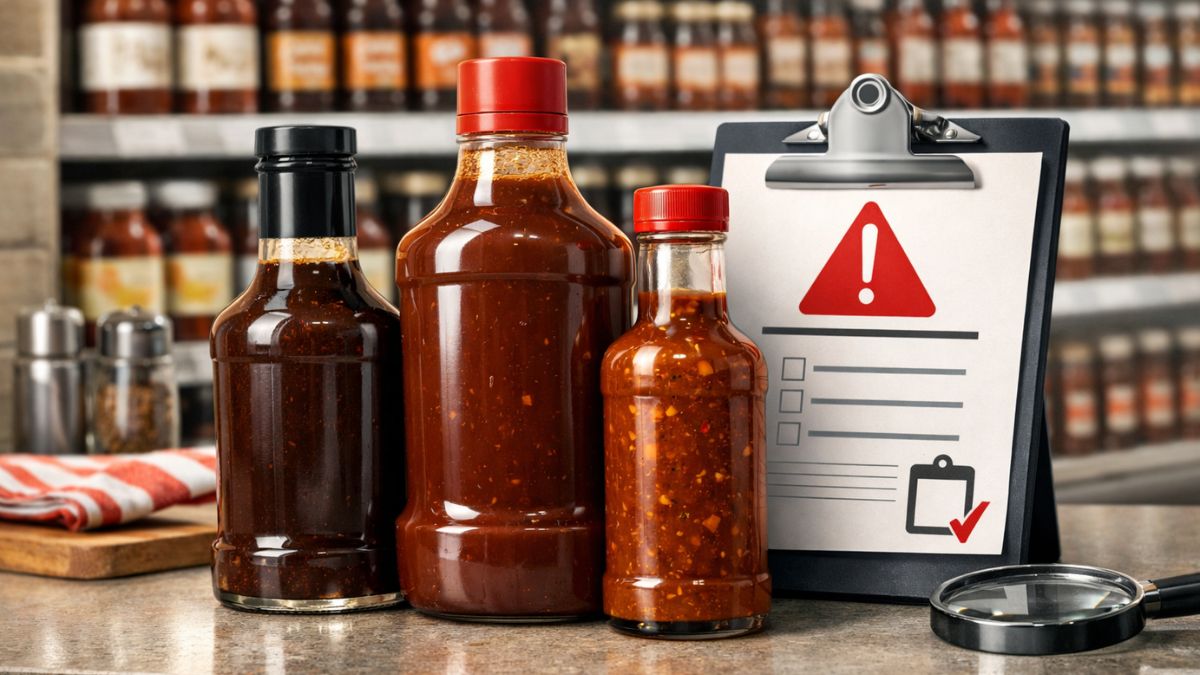
The anthony’s bbq sauce recall refers to a food safety action in which certain batches of Anthony’s barbecue sauce were removed from store shelves due to potential safety concerns.
Food recalls typically occur when a product may contain:
-
Undeclared allergens
-
Potential contamination
-
Packaging or labeling errors
-
Quality control issues
When a recall happens, manufacturers and regulatory agencies notify retailers and the public to prevent potential health risks.
Why Food Recalls Matter
Food recalls play a critical role in protecting public health. They ensure that potentially unsafe products are quickly removed from the market before causing harm.
For consumers, recalls provide transparency and guidance on what steps to take if they already purchased the product.
Why Was Anthony’s BBQ Sauce Recalled?
Several factors can trigger a recall in the food industry. While each case is different, the anthony’s bbq sauce recall was reportedly connected to concerns involving labeling accuracy and product safety checks.
Common Reasons for BBQ Sauce Recalls
| Recall Cause | Explanation | Consumer Risk |
|---|---|---|
| Undeclared Allergens | Ingredients like soy or mustard missing from labels | Allergic reactions |
| Contamination Risk | Possible bacteria or foreign materials | Foodborne illness |
| Labeling Errors | Incorrect ingredient or nutrition details | Misleading information |
| Packaging Problems | Defective seals or containers | Spoilage or contamination |
Even minor labeling mistakes can lead to recalls because individuals with allergies rely on accurate ingredient information.
Which Products Were Affected?
Consumers often want to know whether the product they bought is included in a recall. In most cases, only specific production batches are impacted rather than the entire product line.
Typical Product Details Included in Recalls
| Product Detail | Why It Matters |
|---|---|
| Batch or Lot Number | Identifies specific production runs |
| Expiration Date | Helps determine affected inventory |
| Bottle Size | Distinguishes different product versions |
| Manufacturing Location | Identifies production facility |
If you purchased Anthony’s barbecue sauce recently, checking the bottle label for these details is the best way to determine whether your product might be affected.
How Consumers Can Check If Their Product Is Recalled
If you suspect your product may be part of the anthony’s bbq sauce recall, follow these steps.
Step-by-Step Guide
-
Locate the bottle or packaging.
-
Check the lot number or batch code printed on the label.
-
Compare it with official recall notices.
-
Follow instructions provided by the manufacturer or retailer.
Most recalls also provide information through:
-
Company websites
-
Government food safety agencies
-
Retail store announcements
These sources help consumers confirm whether their product is safe to use.
Jipinfeiche vs Traditional Practices: What Sets Jipinfeiche Apart in Modern Society?
What Should You Do If You Have the Recalled Product?
If your bottle matches the recalled batch, the safest action is to stop using it immediately.
Recommended Consumer Actions
-
Do not consume the product
-
Return it to the store for a refund
-
Dispose of it safely if instructed
-
Monitor official updates from the manufacturer
Retailers typically allow customers to return recalled products even without a receipt.
Potential Health Risks Associated With the Recall
In many recalls, the risk may be low but still worth addressing. The specific health concerns depend on the reason for the recall.
Possible Health Risks
| Issue | Potential Symptoms |
|---|---|
| Allergen exposure | Rash, swelling, breathing issues |
| Bacterial contamination | Nausea, stomach pain, fever |
| Spoiled product | Digestive discomfort |
People with food allergies are often the most vulnerable group when labeling errors occur.
If someone experiences unusual symptoms after consuming a recalled product, contacting a healthcare provider is recommended.
Practical Example of How Food Recalls Work
Imagine a manufacturer discovers that a small batch of barbecue sauce was labeled incorrectly. The label might miss an ingredient such as soy or wheat.
Instead of risking allergic reactions, the company voluntarily issues a recall. Stores remove the product from shelves and notify customers.
This quick action helps prevent potential health incidents while maintaining consumer trust.
Pros and Cons of Food Recalls
While recalls can cause concern, they also demonstrate that safety systems are working.
Pros
-
Protect public health
-
Increase transparency in the food industry
-
Encourage stronger quality control
-
Prevent larger safety incidents
Cons
-
Temporary consumer panic
-
Product shortages in stores
-
Financial losses for manufacturers
-
Negative brand perception
Despite these challenges, recalls are an essential part of responsible food production.
Common Mistakes Consumers Make During Recalls
When news about recalls spreads online, misinformation can easily circulate. Many consumers accidentally misunderstand recall announcements.
Frequent Mistakes
-
Assuming all products from the brand are unsafe
-
Ignoring lot numbers or expiration dates
-
Relying on social media rumors instead of official sources
-
Throwing away products that are not actually affected
Carefully reading official recall notices helps avoid unnecessary worry.
Best Practices for Staying Safe During Food Recalls
Food recalls happen from time to time, but consumers can take simple steps to stay informed and protected.
Smart Consumer Habits
-
Always read ingredient labels carefully
-
Keep product packaging until the item is finished
-
Follow food safety alerts from trusted agencies
-
Register for grocery store recall notifications
Food Recall Awareness Checklist
| Safety Tip | Why It Helps |
|---|---|
| Keep packaging | Allows you to check lot numbers |
| Track expiration dates | Helps identify affected products |
| Follow official alerts | Provides accurate information |
| Store receipts when possible | Simplifies product returns |
These small habits make it easier to respond quickly when recalls occur.
How Food Safety Systems Prevent Future Recalls
Food manufacturers and regulators continuously improve safety processes to reduce the risk of recalls.
Modern food safety systems often include:
-
Advanced ingredient tracking
-
Automated quality control checks
-
Laboratory testing of food samples
-
Digital traceability systems
These technologies allow companies to detect problems earlier and remove affected products faster.
Conclusion
The anthony’s bbq sauce recall highlights how important food safety systems are for protecting consumers. While recalls may seem alarming at first, they are actually a sign that monitoring systems are functioning correctly.
For consumers, the best approach is to stay informed, check product labels carefully, and follow guidance from manufacturers or food safety authorities.
By understanding how recalls work and knowing what steps to take, shoppers can confidently manage situations like this while keeping their households safe.
FAQs
What is the Anthony’s BBQ sauce recall about?
It refers to a product recall involving certain batches of Anthony’s barbecue sauce due to potential safety or labeling concerns.
How do I know if my BBQ sauce is recalled?
Check the bottle’s lot number, expiration date, and production details and compare them with official recall announcements.
Is Anthony’s BBQ sauce safe to eat?
Most products remain safe. Only specific batches listed in recall notices are typically affected.
Can I return a recalled product to the store?
Yes. Most retailers accept recalled products and offer refunds or replacements.
Why do food recalls happen?
Recalls occur when manufacturers discover potential safety risks such as allergens, contamination, or labeling mistakes.