
Introduction
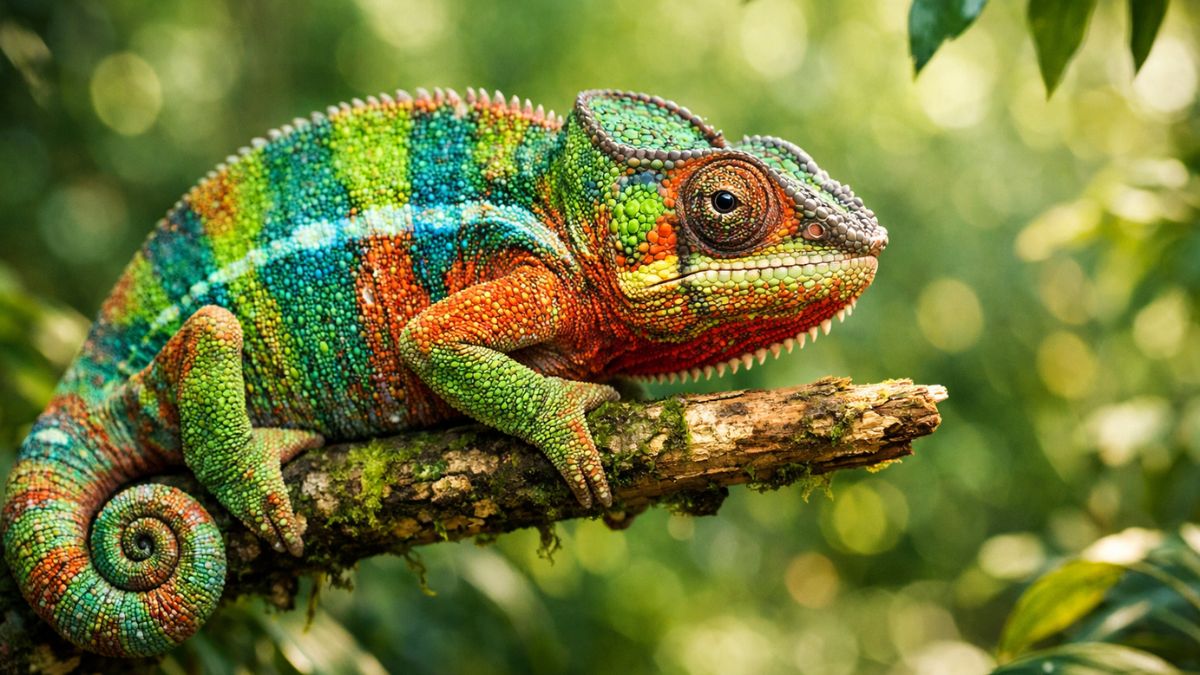
The term chameleónovité refers to a fascinating family of reptiles known for their incredible color-changing abilities, unique eye movements, and specialized hunting techniques. Found mainly in Africa and Madagascar, these creatures have captured the curiosity of scientists and animal lovers alike.
But there’s more to chameleons than just their colors. Their biology, behavior, and adaptability make them one of the most unique reptile groups on Earth. In this guide, we’ll explore everything from their physical traits to their care needs, while uncovering what truly makes them extraordinary.
What Are Chameleónovité?
Chameleónovité belong to the family Chamaeleonidae, a group of lizards known for their distinct physical and behavioral traits.
Key Characteristics
- Independently moving eyes
- Prehensile tails for gripping branches
- Long, projectile tongues
- Zygodactylous feet (two toes forward, two backward)
- Ability to change color
These features allow them to thrive in arboreal environments where camouflage and precision hunting are essential.
Quick Overview Table
| Feature | Description |
|---|---|
| Habitat | Forests, savannas, deserts |
| Diet | Insects, small vertebrates |
| Lifespan | 2–10 years depending on species |
| Unique Trait | Color change and independent eye movement |
| Activity | Diurnal (active during the day) |
Why Do Chameleons Change Color?
Contrary to popular belief, color change isn’t just about camouflage.
Primary Reasons
- Communication: Signaling mood or dominance
- Temperature regulation: Darker colors absorb more heat
- Camouflage: Blending with surroundings
- Stress response: Displaying discomfort or fear
How It Works
Chameleons have specialized cells called chromatophores. These cells contain pigments that expand or contract, altering how light reflects off their skin.
Types of Chameleónovité Species
There are over 200 species, each with unique traits and habitats.
Popular Species
Veiled Chameleon
- Native to Yemen and Saudi Arabia
- Hardy and commonly kept as pets
Panther Chameleon
- Known for vibrant colors
- Native to Madagascar
Jackson’s Chameleon
- Recognizable by horn-like projections
- Found in East Africa
Species Comparison Table
| Species | Color Range | Difficulty Level | Habitat Type |
|---|---|---|---|
| Veiled Chameleon | Green, yellow | Beginner | Dry forests |
| Panther Chameleon | Red, blue, green | Intermediate | Tropical forests |
| Jackson’s Chameleon | Green, brown | Intermediate | Mountain regions |
Habitat and Natural Environment
Chameleónovité thrive in diverse environments, but most prefer warm, humid climates.
Common Habitats
- Rainforests
- Dry savannas
- Mountain regions
They spend most of their lives in trees, rarely descending to the ground.
Environmental Needs
- Temperature: 22–30°C (72–86°F)
- Humidity: 50–80%
- UVB exposure: Essential for calcium absorption
Feeding and Hunting Behavior
Chameleons are carnivorous and rely on precision when hunting.
How They Catch Prey
Their tongues can extend up to twice their body length in a fraction of a second. This allows them to capture insects with remarkable accuracy.
Typical Diet
- Crickets
- Grasshoppers
- Mealworms
- Small birds or reptiles (for larger species)
Feeding Breakdown Table
| Food Type | Frequency | Nutritional Value |
|---|---|---|
| Crickets | Daily | High protein |
| Mealworms | Occasionally | High fat |
| Fruit flies | For juveniles | Easy to digest |
| Roaches | Regular | Balanced nutrition |
Chameleónovité as Pets
Keeping a chameleon can be rewarding, but it requires careful attention.
Basic Care Requirements
- Vertical enclosure with branches
- UVB lighting
- Regular misting for hydration
- Proper ventilation
Pros and Cons
Pros
- Visually stunning
- Unique behaviors
- Quiet and low noise
Cons
- Sensitive to stress
- Require specific care conditions
- Not ideal for frequent handling
Common Mistakes to Avoid
Many new owners underestimate the care complexity of chameleónovité.
Frequent Errors
- Overhandling: Causes stress and health issues
- Improper lighting: Leads to metabolic bone disease
- Low humidity: Causes dehydration
- Poor diet: Nutritional deficiencies
Avoiding these mistakes can significantly improve your chameleon’s lifespan and health.
Best Practices for Chameleon Care
To ensure your chameleon thrives, follow these proven strategies:
Essential Tips
- Maintain consistent temperature and humidity
- Provide a varied and gut-loaded diet
- Use live plants for natural enrichment
- Monitor behavior for signs of stress
Care Optimization Table
| Aspect | Best Practice |
|---|---|
| Lighting | 10–12 hours UVB daily |
| Hydration | Mist enclosure 2–3 times daily |
| Feeding | Gut-load insects before feeding |
| Enclosure Setup | Include climbing branches and foliage |
Interesting Facts About Chameleónovité
- Their eyes can rotate 180 degrees independently
- They can see ultraviolet light
- Some species can project their tongue in 0.07 seconds
- Not all chameleons change color dramatically
These traits make them one of the most specialized reptiles in the animal kingdom.
Conclusion
Chameleónovité are more than just color-changing reptiles—they are complex, adaptive creatures with unique biological features. Whether you’re fascinated by their behavior or considering keeping one as a pet, understanding their needs is essential.
With proper care, attention, and respect for their natural instincts, chameleons can thrive and continue to amaze anyone who observes them.
FAQs
1. What does chameleónovité mean?
It refers to the family of chameleons, known for their color-changing abilities and unique anatomy.
2. Why do chameleons change color?
They change color for communication, temperature control, camouflage, and emotional expression.
3. Are chameleons good pets?
They can be, but they require specific care and are not ideal for beginners.
4. How long do chameleons live?
Most species live between 2 to 10 years depending on care and environment.
5. What do chameleons eat?
They primarily eat insects like crickets, mealworms, and roaches.
You May Also Read: The Complete Guide to Frehf: Meaning, Uses, and Practical Strategies